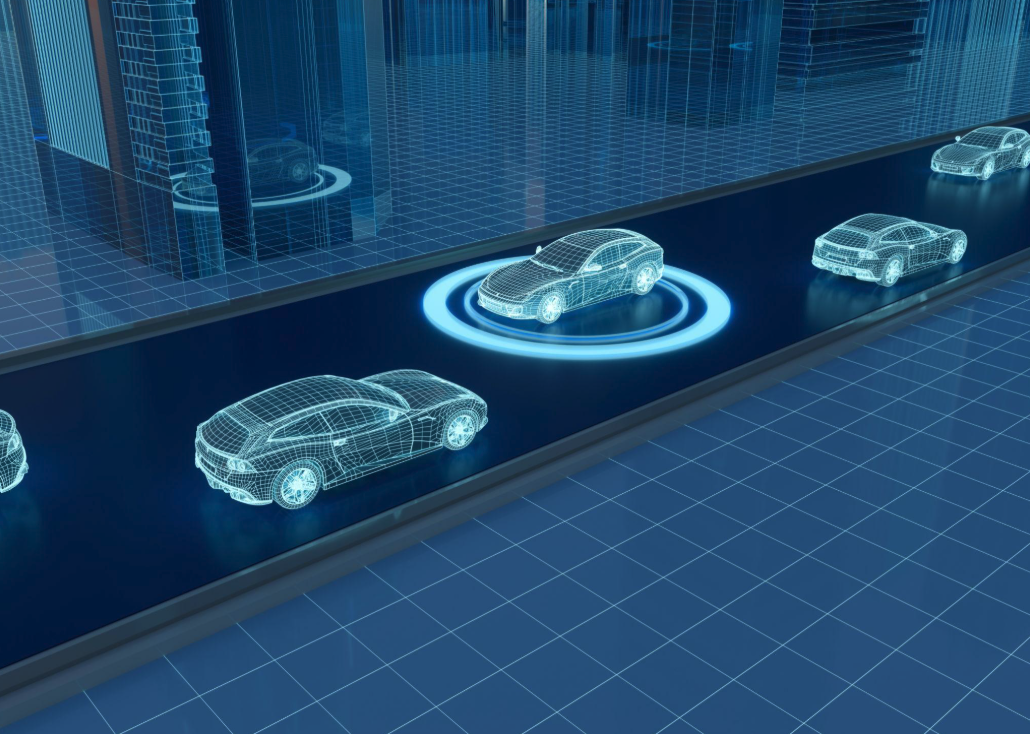
Electric, Connected, Autonomous and Shared (ECAS) vehicles cover a wide range of transport modes, including trucks, buses, trains, metros, ships, drones, helicopters, and airplanes, and have the potential to make land, air, and maritime operations safer, faster, more efficient, and greener. In this context, they contribute both to the adapted Vision Zero approach, which also considers work-related deaths as a central element, and to the European Green Deal, which promotes climate neutrality, zero pollution, sustainable transport, and the transition to a circular economy. However, the successful deployment of ECAS vehicles depends strongly on safety and trust in autonomy, as these are key factors for achieving high user acceptance and fully exploiting the technological and commercial potential of autonomous systems. The ICSA group addresses these challenges by investigating Electronic Components and Systems (ECS) and future architectures for mass-market ECAS vehicles, focusing on fusion and perception digital platforms, federated and energy-efficient computing, propulsion and energy modules, advanced connectivity for cooperative mobility applications, vehicle/edge/cloud computing integration, trustworthy AI-based intelligent components, ODD-enhanced perception, ODD-aware decision-making and planning, monitoring and control solutions, and ECAS user acceptance.
Unmanned Aircraft Systems (UASs), also known as UAVs or drones, are aircraft that operate without onboard pilots or passengers and can be remotely controlled or increasingly autonomous. While their first major applications were in the military sector, technological progress has enabled their expansion into recreational and commercial use. Today, drones are becoming especially important for advanced operations such as beyond visual line of sight (BVLOS) flights, autonomous navigation, obstacle avoidance, and complex airborne tasks. In this context, the ICSA group conducts research on AI-enabled software and hardware solutions, safe and lightweight ECS technologies, low-power and high-performance drone components, sensors and actuators, as well as reliable control and communication systems between drones and ground infrastructure. The broader goal is to support the development of a strong European drone ecosystem, strengthen European expertise in autonomous drone technologies, and enhance the competitiveness and sovereignty of Europe in this rapidly growing market.
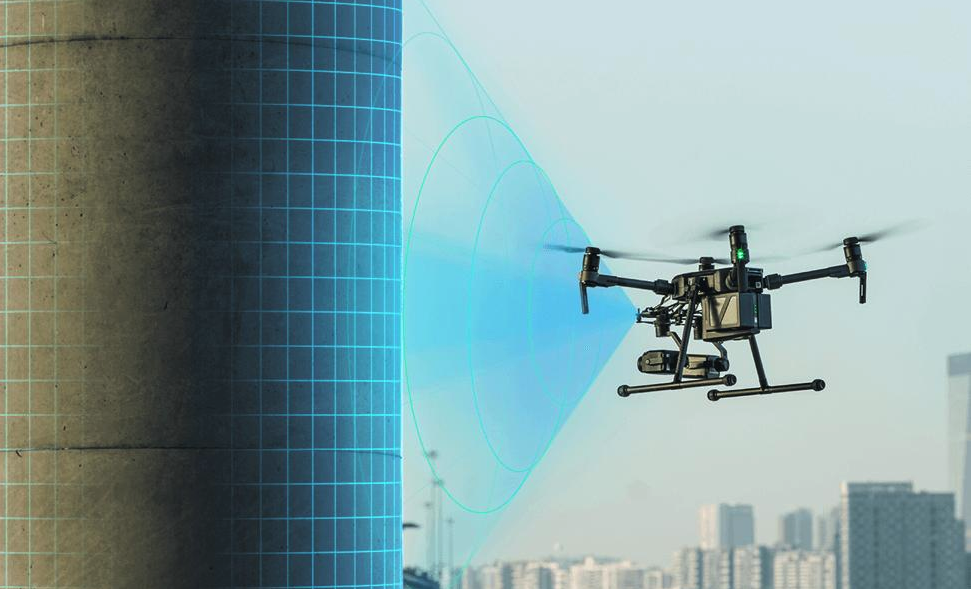
Unmanned Aircraft Systems (UASs), also known as UAVs or drones, are aircraft that operate without onboard pilots or passengers and can be remotely controlled or increasingly autonomous. While their first major applications were in the military sector, technological progress has enabled their expansion into recreational and commercial use. Today, drones are becoming especially important for advanced operations such as beyond visual line of sight (BVLOS) flights, autonomous navigation, obstacle avoidance, and complex airborne tasks. In this context, the ICSA group conducts research on AI-enabled software and hardware solutions, safe and lightweight ECS technologies, low-power and high-performance drone components, sensors and actuators, as well as reliable control and communication systems between drones and ground infrastructure. The broader goal is to support the development of a strong European drone ecosystem, strengthen European expertise in autonomous drone technologies, and enhance the competitiveness and sovereignty of Europe in this rapidly growing market.
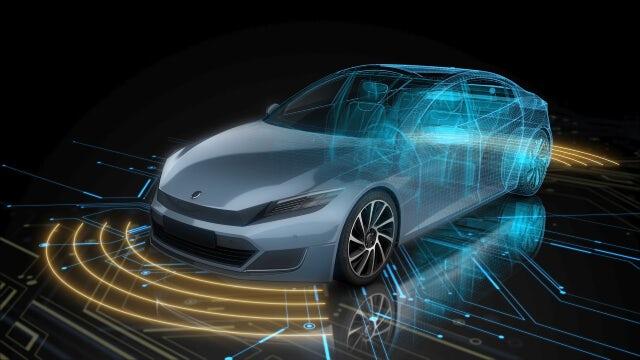
The shift toward Software-Defined Vehicles (SDVs) is transforming the automotive sector by enabling continuous upgrades, intelligent services, and safer, more connected mobility. At ICSA, we support this transition through advanced frameworks for sensor integration, in-vehicle communication, V2X connectivity, and real-time anomaly detection, with the goal of making future vehicles more secure, reliable, and adaptable. Our work includes the development of standardized Sensor APIs that provide unified access to LiDAR, RADAR, cameras and other vehicle sensors, together with AI-based methods for sensor fusion, anomaly detection and validation in digital twin environments. We also design AI-driven middleware solutions that enable secure and efficient data exchange among vehicle microservices, while supporting real-time Quality of Service management and integration with heterogeneous ECU platforms. In the field of V2X communication, we develop scalable frameworks that connect vehicles, infrastructure, edge and cloud environments, ensuring reliable and low-latency communication across connected entities. By combining AI/ML techniques, multimodal data fusion and digital twin technologies, our solutions contribute to improved vehicle safety, cybersecurity, predictive maintenance, functional reliability and the overall readiness of next-generation mobility systems.
Artificial Intelligence (AI) is a key enabler for bringing Industry 5.0 into practice in a sustainable, flexible and human-centered way. Advanced AI technologies, such as cognitive modelling, semantic technologies, neuromorphic computing, behaviour-based approaches and non-causal reasoning, can help industrial systems respond more effectively to unexpected situations, adapt faster to new requirements and reconfigure complex processes in advance. This can lead to higher production quality, improved yields, fewer defects, reduced errors and lower failure rates. AI is also important for European technological sovereignty, as it can strengthen collaboration between companies, support platform-based cooperation and improve the competitiveness of regional industries, supply chains and manufacturing ecosystems. At the same time, AI has strong potential to support environmental sustainability by reducing material waste, limiting unnecessary scrap production, improving energy and resource efficiency, optimizing logistics and enabling smarter supply chain management. In this context, the ICSA group conducts research on AI-enabled electronic components and systems for sustainable production, AI tools and algorithms for industrial processes, system-of-systems architectures and micro-services, semantic modelling, data integration, explainable AI, technology acceptance and trust.

Artificial Intelligence (AI) is a key enabler for bringing Industry 5.0 into practice in a sustainable, flexible and human-centered way. Advanced AI technologies, such as cognitive modelling, semantic technologies, neuromorphic computing, behaviour-based approaches and non-causal reasoning, can help industrial systems respond more effectively to unexpected situations, adapt faster to new requirements and reconfigure complex processes in advance. This can lead to higher production quality, improved yields, fewer defects, reduced errors and lower failure rates. AI is also important for European technological sovereignty, as it can strengthen collaboration between companies, support platform-based cooperation and improve the competitiveness of regional industries, supply chains and manufacturing ecosystems. At the same time, AI has strong potential to support environmental sustainability by reducing material waste, limiting unnecessary scrap production, improving energy and resource efficiency, optimizing logistics and enabling smarter supply chain management. In this context, the ICSA group conducts research on AI-enabled electronic components and systems for sustainable production, AI tools and algorithms for industrial processes, system-of-systems architectures and micro-services, semantic modelling, data integration, explainable AI, technology acceptance and trust.

EU initiatives in ICT for Health promote an integrated and patient-centered approach to healthcare, covering the full continuum from lifestyle management and disease prevention to chronic disease management, comorbidity support and personalized care. This direction is especially important for elderly people and patients with chronic conditions, who need continuous monitoring at home, timely detection of health risks, individualized treatment and support that helps them maintain autonomy, safety and quality of life. At the same time, these services must be cost-efficient and practical for patients, families, healthcare providers, medical centers and insurance organizations. Although many of the necessary software, hardware, sensor and communication technologies are already available, the development of secure, reliable and fully integrated end-to-end healthcare systems remains a significant challenge. In this context, the ICSA group conducts research on advanced e-health applications, autonomic patient management systems, platforms for ubiquitous access to healthcare services, disease-specific Electronic Patient Records, telesurgery systems and advanced patient monitoring through medical and non-medical sensors in intelligent home environments.
New technologies must deliver strong impact across multiple dimensions, maximizing benefits for stakeholders and society while ensuring versatility, reliability and practical applicability. In this context, user and technology acceptance is a critical research area, especially for emerging domains such as connected and automated vehicles, where public attitudes and willingness to adopt highly automated systems continue to evolve. Models such as the Technology Acceptance Model (TAM) and the Unified Theory of Acceptance and Use of Technology (UTAUT) are widely used to study user intentions, adoption behavior and the factors that influence trust and acceptance. The ICSA group conducts research on the enhancement and adaptation of such models across different domains, while also designing and implementing surveys, analysing stakeholder feedback, investigating socioeconomic factors, and developing training, awareness and intervention methodologies. This work also supports the assessment of business and revenue models and the design of sustainable exploitation strategies for innovative technologies.

New technologies must deliver strong impact across multiple dimensions, maximizing benefits for stakeholders and society while ensuring versatility, reliability and practical applicability. In this context, user and technology acceptance is a critical research area, especially for emerging domains such as connected and automated vehicles, where public attitudes and willingness to adopt highly automated systems continue to evolve. Models such as the Technology Acceptance Model (TAM) and the Unified Theory of Acceptance and Use of Technology (UTAUT) are widely used to study user intentions, adoption behavior and the factors that influence trust and acceptance. The ICSA group conducts research on the enhancement and adaptation of such models across different domains, while also designing and implementing surveys, analysing stakeholder feedback, investigating socioeconomic factors, and developing training, awareness and intervention methodologies. This work also supports the assessment of business and revenue models and the design of sustainable exploitation strategies for innovative technologies.
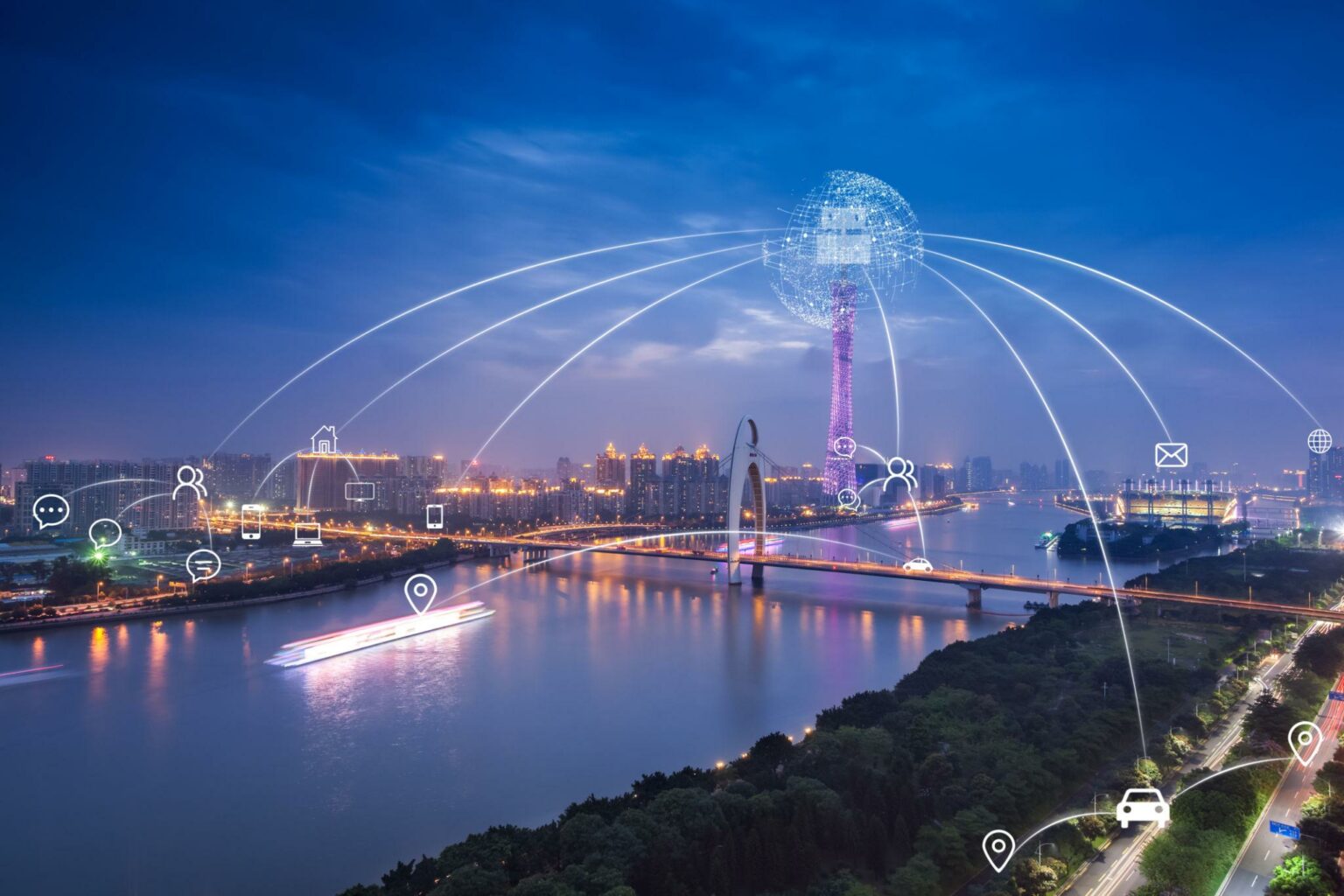
The deployment of 6G is expected to significantly transform connectivity by providing unprecedented data rates, ultra-low latency, improved energy efficiency and the ability to support massive IoT ecosystems. These capabilities will enable advanced applications across smart cities, healthcare, autonomous vehicles, industrial automation and immersive digital services, while also supporting future scenarios such as holographic communication, terahertz-based connectivity and pervasive AI-driven environments. In this context, the ICSA group conducts research on core 6G technologies, including Software-Defined Networking, Network Functions Virtualization, Multi-Access Edge Computing and Network Slicing, aiming to create flexible, scalable and intelligent network infrastructures. The group also focuses on Radio Resource Management, Spectrum Reuse, and advanced network management and orchestration mechanisms to improve spectrum efficiency, reduce interference and automate service deployment. A key research direction is the integration of Artificial Intelligence and Machine Learning into mobile networks, enabling network optimization, predictive maintenance, adaptive control and self-organizing capabilities in real time. In addition, ICSA is active in V2X communications, developing reliable and low-latency solutions that connect vehicles, infrastructure, pedestrians, edge nodes and cloud services, contributing to safer autonomous driving, intelligent traffic management, improved situational awareness and future connected mobility ecosystems.
© 2026 Intelligent Computer Systems and Applications (ICSA). All rights reserved.