


Electric, Connected, Autonomous and Shared Vehicles
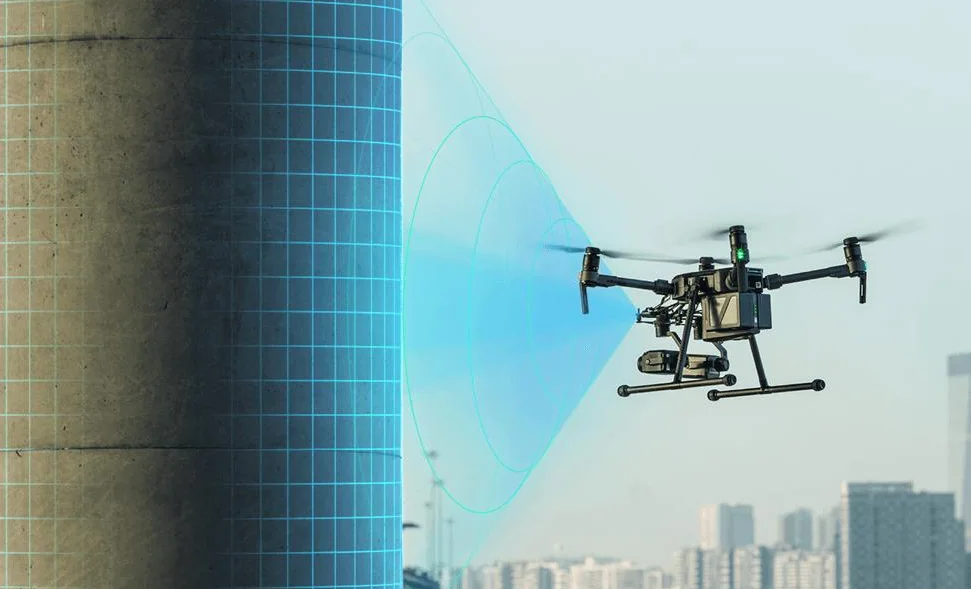
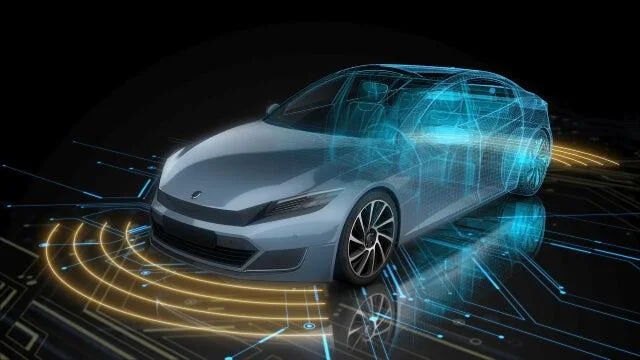
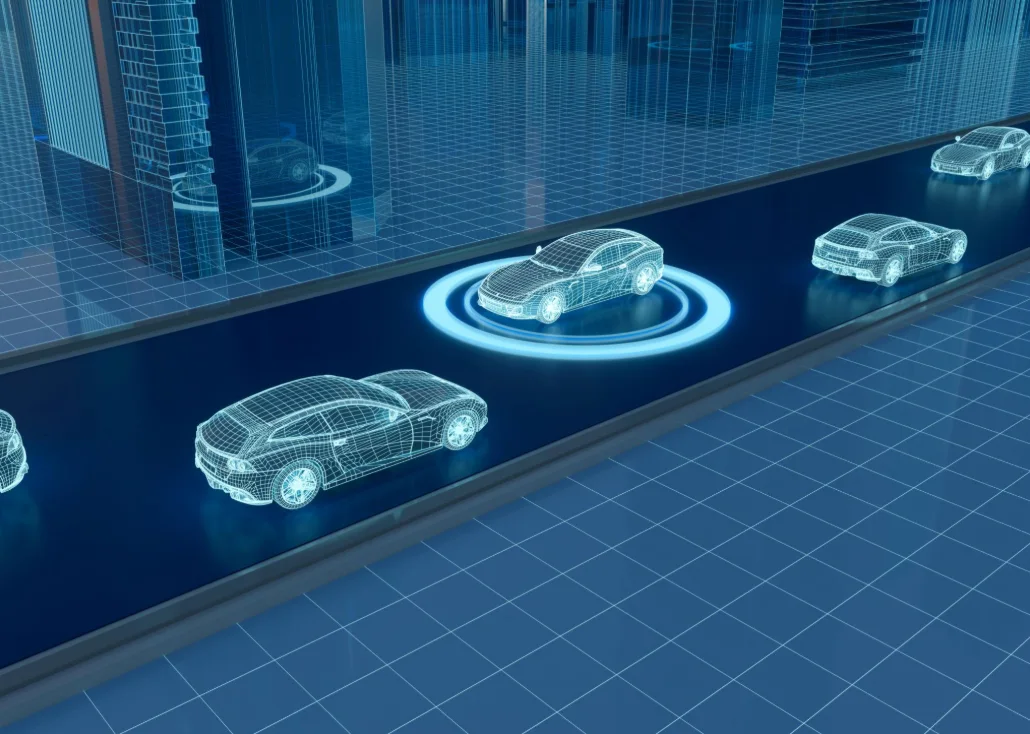
Electric, Connected, Autonomous and Shared (ECAS) vehicles cover a wide range of transport modes, including trucks, buses, trains, metros, ships, drones, helicopters, and airplanes, and have the potential to make land, air, and maritime operations safer, faster, more efficient, and greener. In this context, they contribute both to the adapted Vision Zero approach, which also considers work-related deaths as a central element, and to the European Green Deal, which promotes climate neutrality, zero pollution, sustainable transport, and the transition to a circular economy. However, the successful deployment of ECAS vehicles depends strongly on safety and trust in autonomy, as these are key factors for achieving high user acceptance and fully exploiting the technological and commercial potential of autonomous systems. The ICSA group addresses these challenges by investigating Electronic Components and Systems (ECS) and future architectures for mass-market ECAS vehicles, focusing on fusion and perception digital platforms, federated and energy-efficient computing, propulsion and energy modules, advanced connectivity for cooperative mobility applications, vehicle/edge/cloud computing integration, trustworthy AI-based intelligent components, ODD-enhanced perception, ODD-aware decision-making and planning, monitoring and control solutions, and ECAS user acceptance.